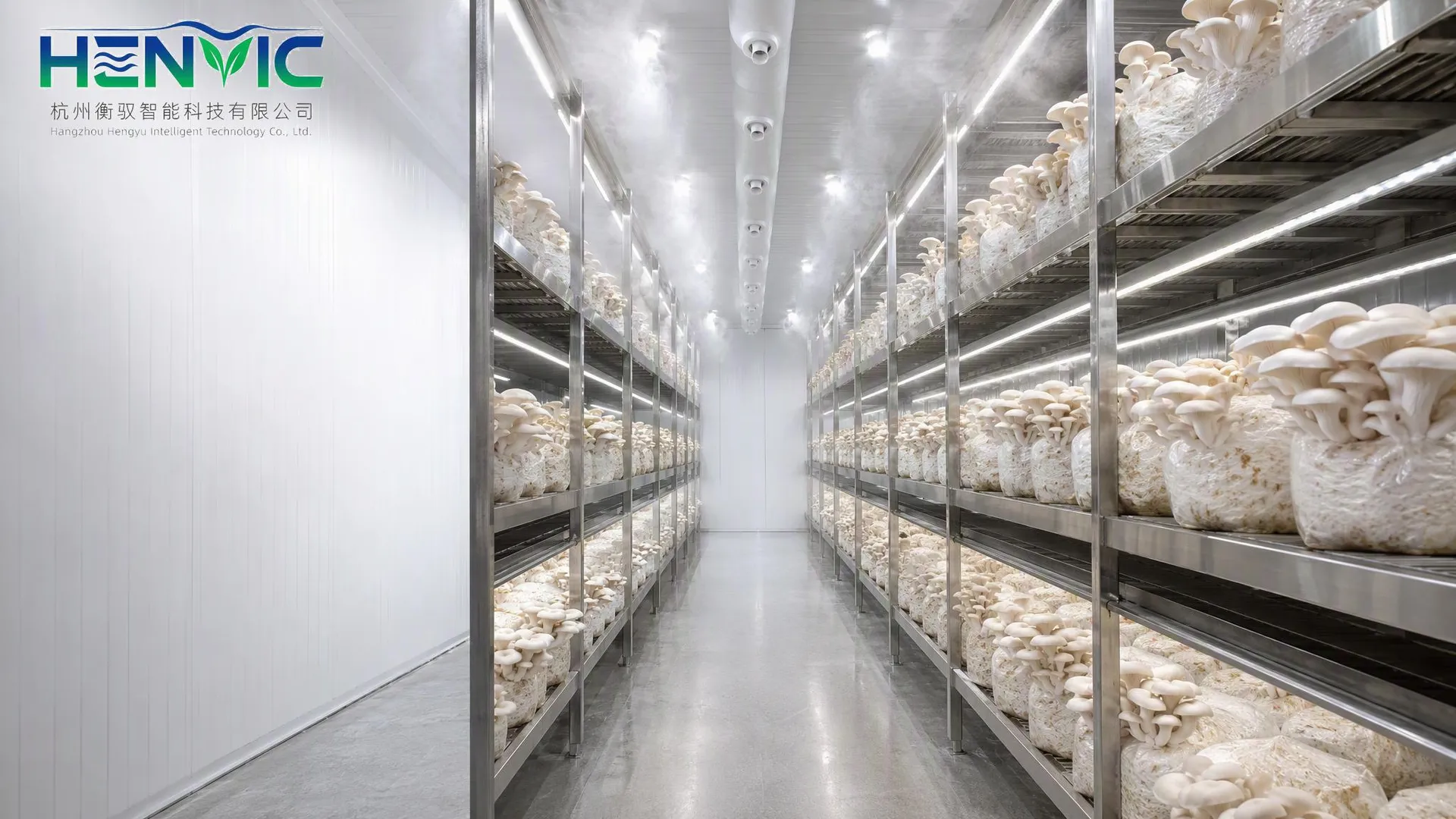
In the dynamic landscape of modern agriculture, the quest for efficiency, sustainability, and precision has driven innovation across every sector. Within the niche yet vital field of mushroom cultivation, a groundbreaking paradigm shift is underway: the emergence of containerized mushroom farming technology. By transforming standard shipping containers into sophisticated, climate-controlled bioreactors, this technology is redefining the boundaries of fungal production, bringing industrial-grade control to the delicate art of growing mushrooms.
This article delves into the core principles, structural innovations, and operational advantages of containerized mushroom farms, exploring how this modular approach is poised to revolutionize the way we produce food.
I. The Core Philosophy: From Open Fields to Controlled Ecosystems
Traditional mushroom cultivation, often reliant on sprawling greenhouses or fixed warehouses, faces inherent limitations. These facilities are susceptible to environmental fluctuations, pest infestations, and pathogen contamination. Furthermore, they require significant capital investment and are difficult to scale rapidly.
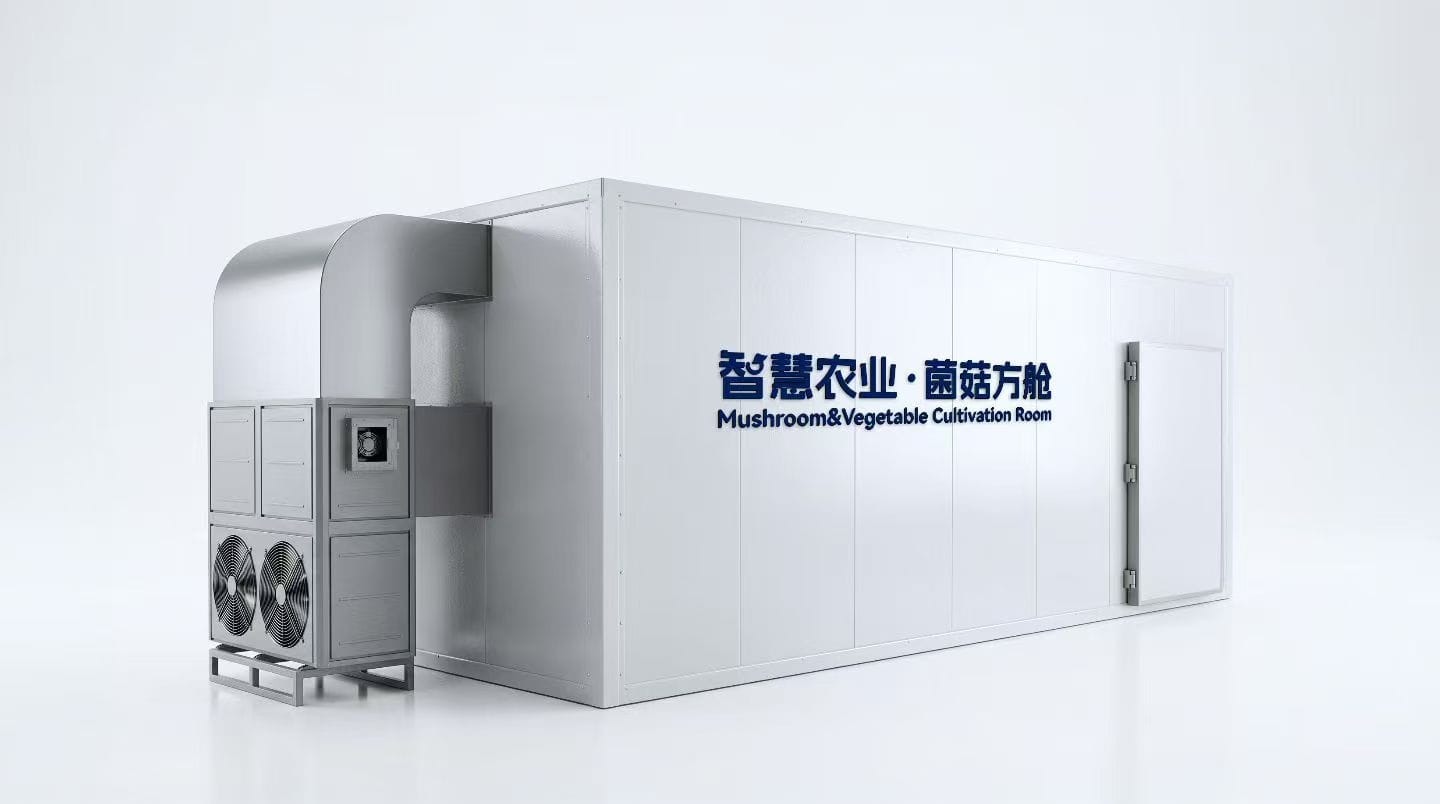
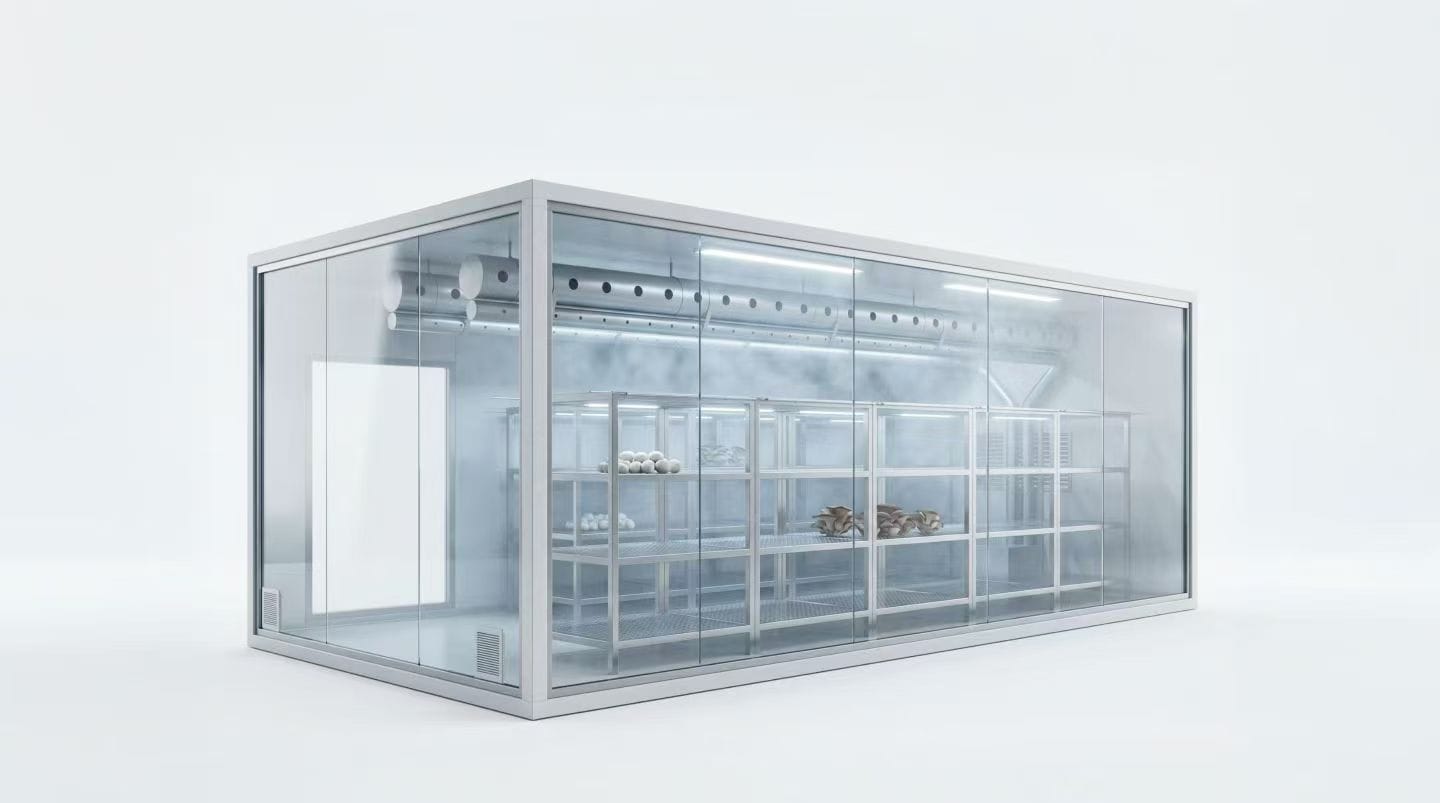
The containerized solution addresses these challenges by adopting a modular, closed-loop philosophy. A standard shipping container—typically 20 or 40 feet in length—is repurposed into a fully enclosed, sterile production unit. This creates a "micro-environment" where every variable critical to fungal growth—temperature, humidity, CO2 levels, and light—is meticulously regulated.
This approach treats the mushroom crop not merely as a plant, but as a biological process to be optimized within a contained, repeatable, and highly efficient vessel. It effectively decouples mushroom production from geography and weather, allowing for consistent, year-round harvests regardless of external conditions.
II. Deconstructing the Technology: The Anatomy of a Smart Cultivation Container
A successful containerized mushroom farm is far more than a metal box with shelves. It is a sophisticated integration of mechanical, electrical, and biological engineering systems. The technology can be broken down into four core subsystems:
1. The Environmental Control System (ECS)
This is the "brain and nervous system" of the container. It consists of a suite of sensors and actuators designed to maintain the precise conditions required for different growth phases (spawn run, primordia formation, and fruiting).
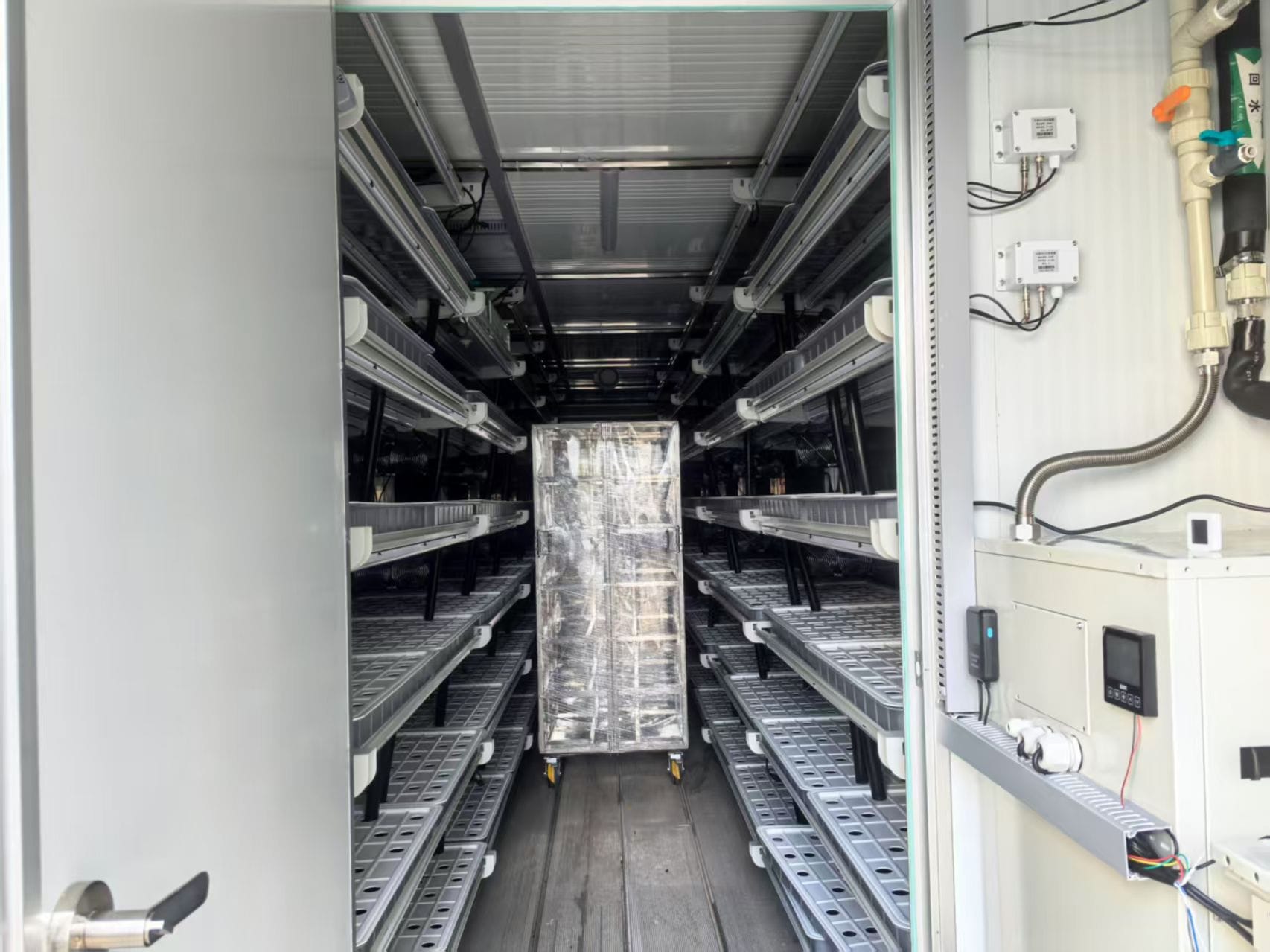
- Heating, Ventilation, and Air Conditioning (HVAC): Compact, high-efficiency HVAC units ensure stable temperature control, crucial for preventing heat stress in the dense mycelium and fruiting bodies.
- Humidification: High-pressure misting systems or ultrasonic humidifiers maintain relative humidity levels often exceeding 90%, mimicking the humid forest environments where mushrooms naturally thrive.
- CO2 Management: Mushrooms consume oxygen and release carbon dioxide. The system includes CO2 sensors and exhaust fans to scrub the air, ensuring CO2 levels remain low enough to encourage short, sturdy stems and healthy cap formation, rather than elongated, malformed fruiting bodies.
2. The Automated Irrigation and Nutrient Delivery System
Water management is critical; too little leads to desiccation, while too much drowns the mycelium. Containerized systems utilize precision irrigation. Solenoid valves, controlled by a central computer, deliver water and nutrient solutions directly to the substrate bags at predetermined intervals. This automation ensures uniform moisture distribution, reducing water waste and labor costs.
3. The Lighting and Photoperiod Control System
While mushrooms do not perform photosynthesis, they are phototropic—they respond to light. The integrated LED lighting system provides specific wavelengths of light (often blue and ultraviolet) to trigger the formation of primordia (the initial "pins") and guide the growth of the fruiting bodies. The system allows for precise control over the day/night cycle, simulating natural rhythms to optimize yield and morphology.
4. The Integrated Automation and Software Platform
Modern container farms are "smart farms." They are equipped with an Internet of Things (IoT) platform where all sensors and actuators are connected to a central controller. Growers can monitor and adjust conditions remotely via a smartphone app or computer. The software often includes data logging, predictive analytics, and alarm systems, allowing for proactive management and minimizing the risk of crop failure.
III. The Cultivation Cycle: Precision in Action
The operational workflow within a containerized farm is a model of industrial precision, optimized for high throughput and rapid turnover.
- Phase 1: Substrate Preparation and Loading. The process begins outside the container, where the substrate (usually a mix of straw, sawdust, or organic waste) is pasteurized and inoculated with spawn. The inoculated substrate is then loaded into bags or bottles and placed onto racks within the container.
- Phase 2: Incubation (Mycelial Colonization). During this phase, the container is maintained at the optimal temperature for mycelial growth. The humidity and CO2 levels are kept high, while light is excluded. The mycelium colonizes the substrate, turning it into a nutrient-rich "fruiting block." This phase typically lasts 10-21 days.
- Phase 3: Fruiting Initiation. Once colonization is complete, the environmental parameters are altered to simulate the onset of autumn. A drop in temperature, a change in light cycles, and a reduction in CO2 levels trigger the transition from vegetative growth to reproductive growth, initiating the formation of mushroom pins.
- Phase 4: Harvesting. Over the next few days, the pins mature into full mushrooms. The automation system ensures the environment remains stable during this rapid growth phase. When the mushrooms reach peak maturity, they are harvested manually or, in advanced systems, via robotic arms.
- Phase 5: Turnover. Following harvest, the spent substrate is removed, and the container is thoroughly cleaned and sterilized, preparing it for the next cycle. This rapid turnover allows for multiple harvests per year within the same unit.
IV. Advantages and Strategic Impact
The adoption of containerized mushroom technology offers a multitude of advantages that extend beyond operational efficiency:
1. Unprecedented Space Efficiency and Scalability
The vertical farming design within a container maximizes space, yielding a high harvest volume per square foot. Crucially, scalability is linear and rapid. A farm can start with a single container and expand by simply adding more units, without the need for constructing new buildings. This modularity reduces initial capital risk and allows for flexible expansion based on market demand.
2. Enhanced Biosecurity and Food Safety
The fully enclosed, sterile environment acts as a barrier against external pests and pathogens. This significantly reduces the need for chemical pesticides, resulting in cleaner, safer produce. The risk of contamination is minimized, leading to higher success rates and consistent yields.
3. Significant Water and Energy Conservation
Containerized systems are designed for resource efficiency. The closed-loop nature of the environment means water evaporates and is recaptured within the system, reducing water consumption by up to 90% compared to traditional open-field cultivation. Furthermore, the insulation of the shipping container reduces energy loss, and the use of LED lighting and efficient HVAC units minimizes the overall energy footprint.
4. Location Independence and Urban Agriculture
Perhaps the most transformative advantage is location flexibility. These units can be deployed on rooftops, in parking lots, basements, or even in arid deserts and frigid tundras. This enables hyper-local food production, drastically shortening the supply chain. Mushrooms can be grown in the heart of a city, reaching consumers within hours of harvest, preserving freshness and nutritional value.
5. Reduced Labor and Operational Simplicity
The automation of environmental controls reduces the need for constant manual monitoring. The workflow is streamlined, requiring fewer personnel to manage a high-yield farm. This allows for more consistent production with less reliance on specialized agricultural labor.
V. Challenges and Future Outlook
Despite its immense potential, the technology faces challenges. The initial investment in the sophisticated equipment remains a barrier for small-scale growers, though leasing models are emerging. Furthermore, the energy consumption for climate control, while efficient per unit of yield, requires a commitment to renewable energy sources to maximize the sustainability credentials.
Looking to the future, the evolution of containerized mushroom farming is poised to accelerate. We can expect to see the integration of Artificial Intelligence (AI) for predictive growth modeling, robotic automation for harvesting and substrate handling, and the integration of renewable energy sources like solar panels directly onto the container roofs.
Moreover, the technology is expanding beyond gourmet mushrooms to include medicinal fungi and other specialty crops. As the global population continues to urbanize and the demand for sustainable, local food intensifies, containerized agriculture will undoubtedly play a pivotal role in the food systems of the future.
Conclusion
Containerized mushroom technology represents more than just a new method of farming; it embodies a shift towards a smarter, cleaner, and more resilient food production model. By harnessing the power of modular design, automation, and precision environmental control, it transforms the humble shipping container into a high-yield food factory. It offers a viable solution to the challenges of food security, environmental sustainability, and urban food independence.
As this technology matures and becomes more accessible, it will empower a new generation of farmers, bringing fresh, nutritious, and sustainable mushrooms to tables around the world, one container at a time.