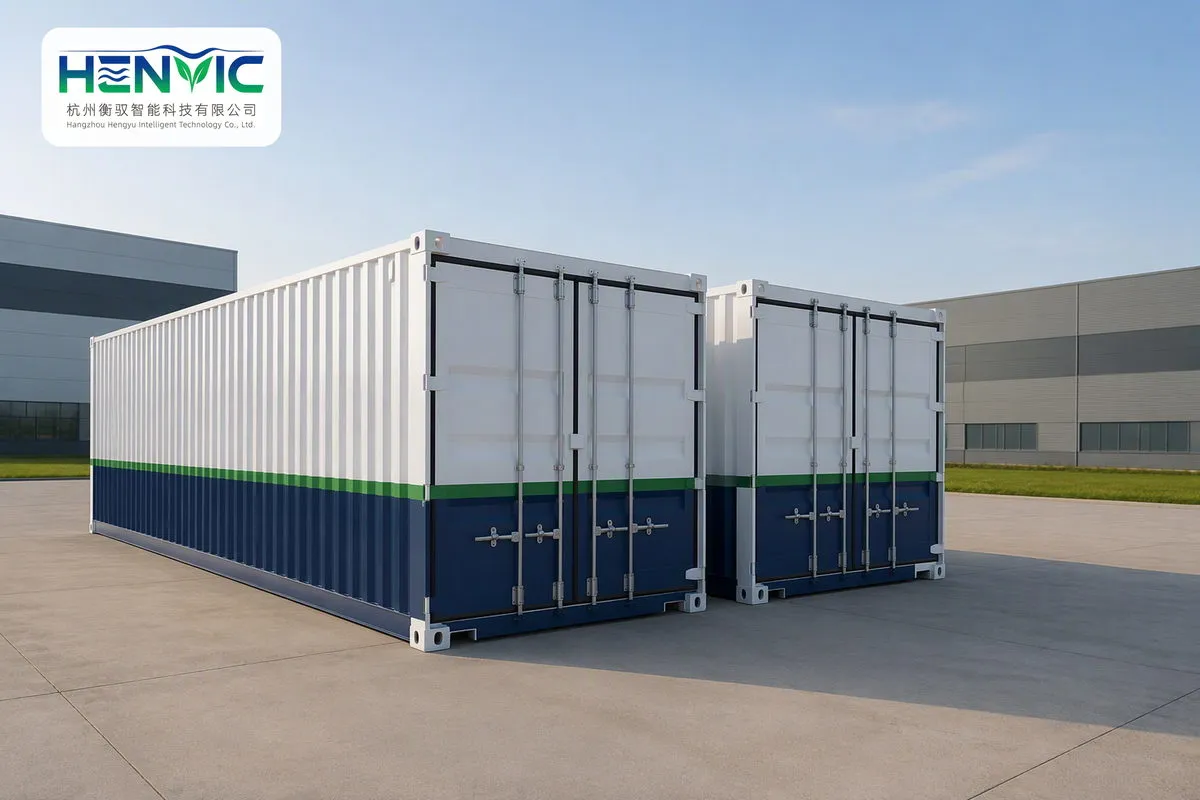
In recent years, the agricultural landscape has been fundamentally transformed by the rise of Controlled Environment Agriculture (CEA). Among this horticultural revolution, lettuce cultivation containers—often referred to as smart plant factories or vertical farming modules—have emerged as a highly efficient, sustainable solution for producing fresh vegetable greens. Unlike traditional open-field farming, containerized lettuce cultivation leverages advanced technologies to achieve year-round, weather-independent production. This article provides comprehensive industry insights into lettuce container cultivation, exploring its core technologies, system advantages, and future industry prospects.
I. The Architecture and Core Technologies of Lettuce Cultivation Containers
A lettuce cultivation container is essentially an enclosed, highly automated agricultural ecosystem. To achieve optimal growth, these systems rely on the precise integration of several cutting-edge technologies:
Multi-tier Vertical Cultivation Structures
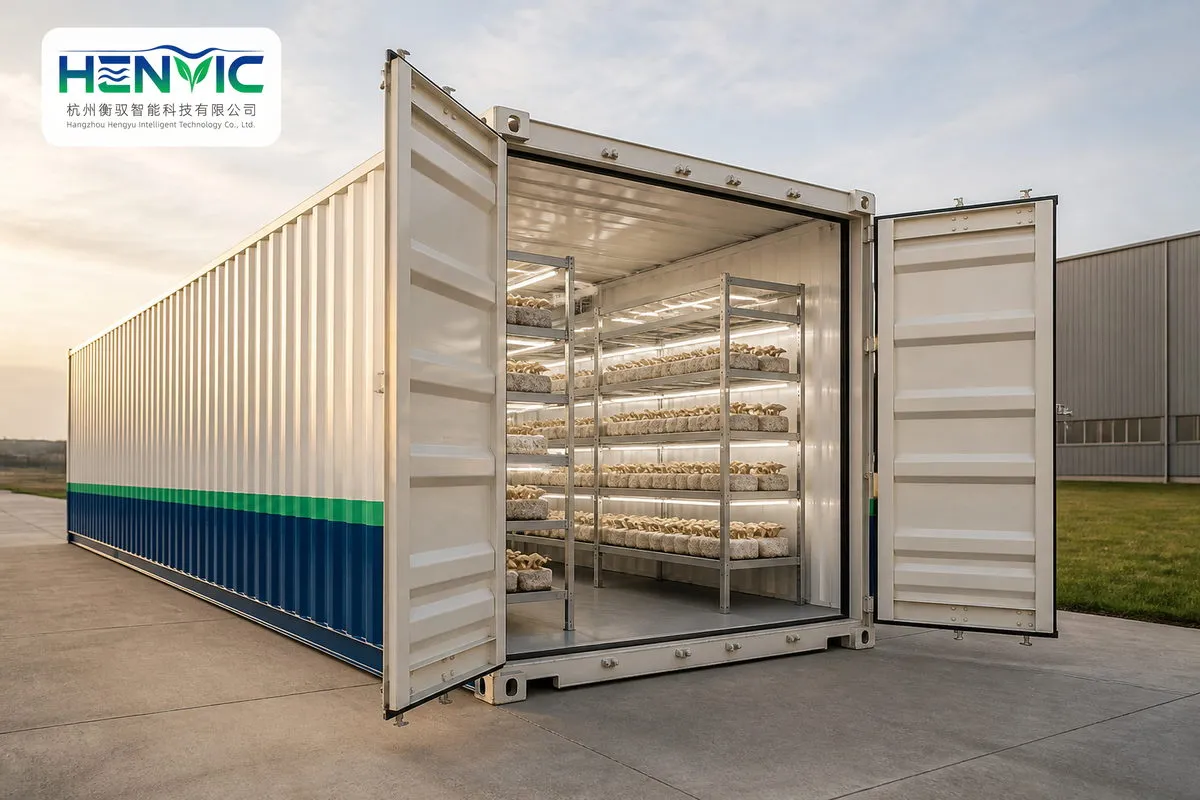
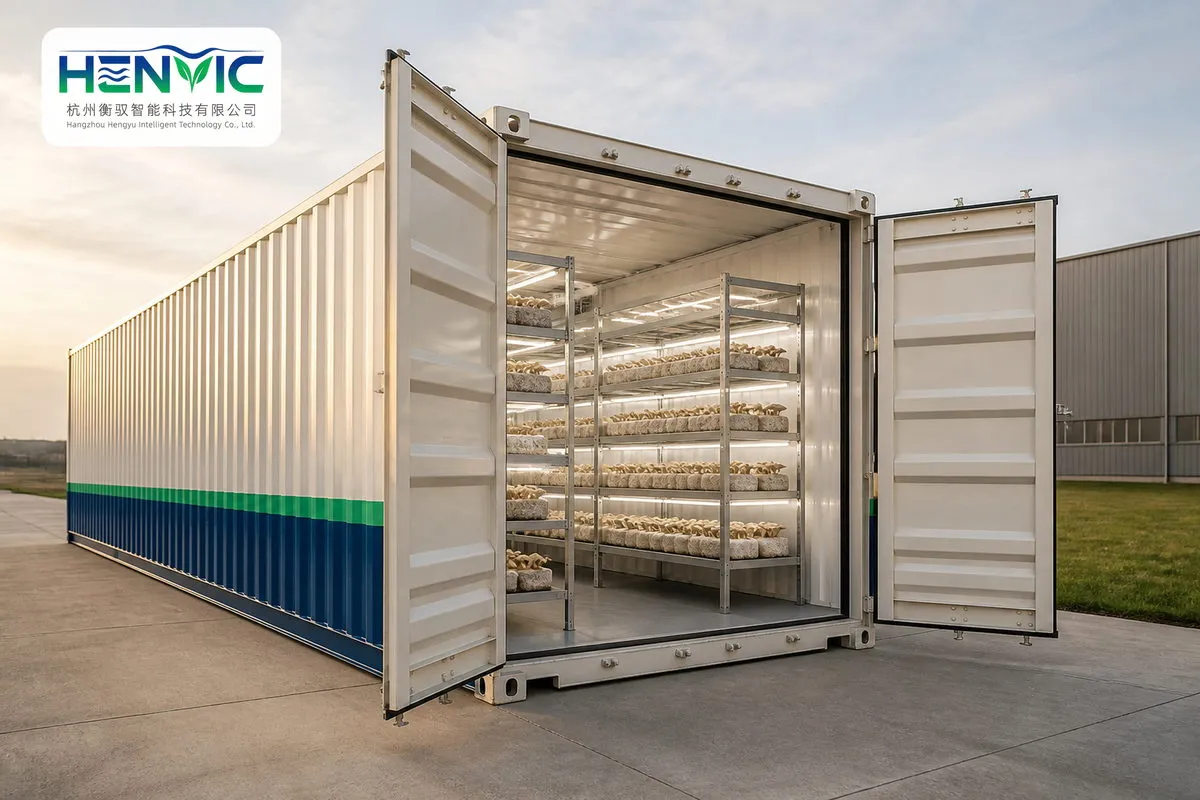
The defining physical characteristic of lettuce containers is the adoption of vertical racking systems. By utilizing multi-tier vertical cultivation racks, the available growing area is exponentially expanded compared to traditional flat farming. The structure is typically engineered from corrosion-resistant, food-grade materials (such as stainless steel or specialized coated carbon steel) to maintain cleanliness and withstand high-humidity environments. This structural design significantly multiplies spatial efficiency, yielding approximately 3 to 5 times the harvest per square meter compared to standard greenhouses.
Soilless Cultivation Technologies
Because space in a container is highly optimized, lettuce is almost universally grown using soilless methods, primarily Hydroponics and Aeroponics.
Hydroponics (Deep Water Culture/NFT): In this method, lettuce seedlings are placed in grow channels where their roots are continuously submerged in, or flowed over by, a nutrient-rich water solution.
Aeroponics: Often considered an advanced alternative, this method suspends the lettuce roots in the air and delivers a fine mist of nutrient solution directly to them. Aeroponics is widely recognized for promoting faster growth and high nutrient absorption rates (often exceeding 95% water and nutrient utilization), making it highly suitable for space-saving, rapid-growth lettuce varieties.
Precision Nutrient Solution Management
The soilless environment means the plant relies entirely on the nutrient solution for survival. Lettuce cultivation containers are equipped with intelligent dosing systems that continuously monitor and adjust the composition of the solution. These systems precisely regulate key parameters including pH levels (typically maintained between 5.5 and 6.5), electrical conductivity (EC), and the specific ratios of macro- and micro-nutrients (such as nitrogen, phosphorus, potassium, and calcium). This guarantees that each head of lettuce receives exact nutritional support tailored to its specific growth stage.
II. Intelligent Environmental Control (CEA Systems)
The true magic of lettuce containers lies in their ability to simulate an ideal, consistent microclimate. This is achieved through sophisticated IoT (Internet of Things) and automated monitoring systems:
LED Lighting Systems
Light is the primary energy driver for photosynthesis. Lettuce containers utilize customized LED (Light Emitting Diode) fixtures. These lights emit specific light spectra, heavily utilizing the red and blue wavelengths that are most critical for vegetative growth in leafy greens. Leading systems allow growers to precisely program light intensity and photoperiods (day/night cycles) to accelerate growth and enhance the crispness of the leaves.
Temperature and Humidity Control
Lettuce thrives in cool, moderate environments. The container's integrated HVAC (Heating, Ventilation, and Air Conditioning) systems maintain optimal temperatures, typically between 16°C and 22°C. Humidity is automatically regulated through misting systems and exhaust fans to prevent physiological disorders like tip burn, which is a common problem in high temperatures.
CO₂ Supplementation
In a sealed container environment, carbon dioxide can quickly become a limiting factor for photosynthesis. Modern lettuce containers utilize CO₂ sensors and controlled injection systems to maintain high CO₂ concentrations (often between 800-1000ppm). This process significantly accelerates plant growth and boosts overall biomass production.
III. Industry Advantages and Applications of Lettuce Containers
The adoption of lettuce cultivation containers has introduced several profound advantages to the agricultural supply chain:
Food Safety and Zero-Pesticide Production
Because the container is a closed, isolated environment, external pests and pathogens are eliminated through strict air filtration and controlled access. This isolation removes the need for harmful chemical pesticides, ensuring that the final product is clean, highly nutritious, and absolutely safe for consumers.
Significant Reduction in Water Consumption
Lettuce is traditionally a water-intensive crop. Container cultivation implements a closed-loop water recycling system. Sensors prevent excess water from evaporating, and the nutrient solution is continuously filtered and recirculated. This allows containers to use up to 90% less water compared to conventional open-field agriculture.
Urban Agriculture and Supply Chain Optimization
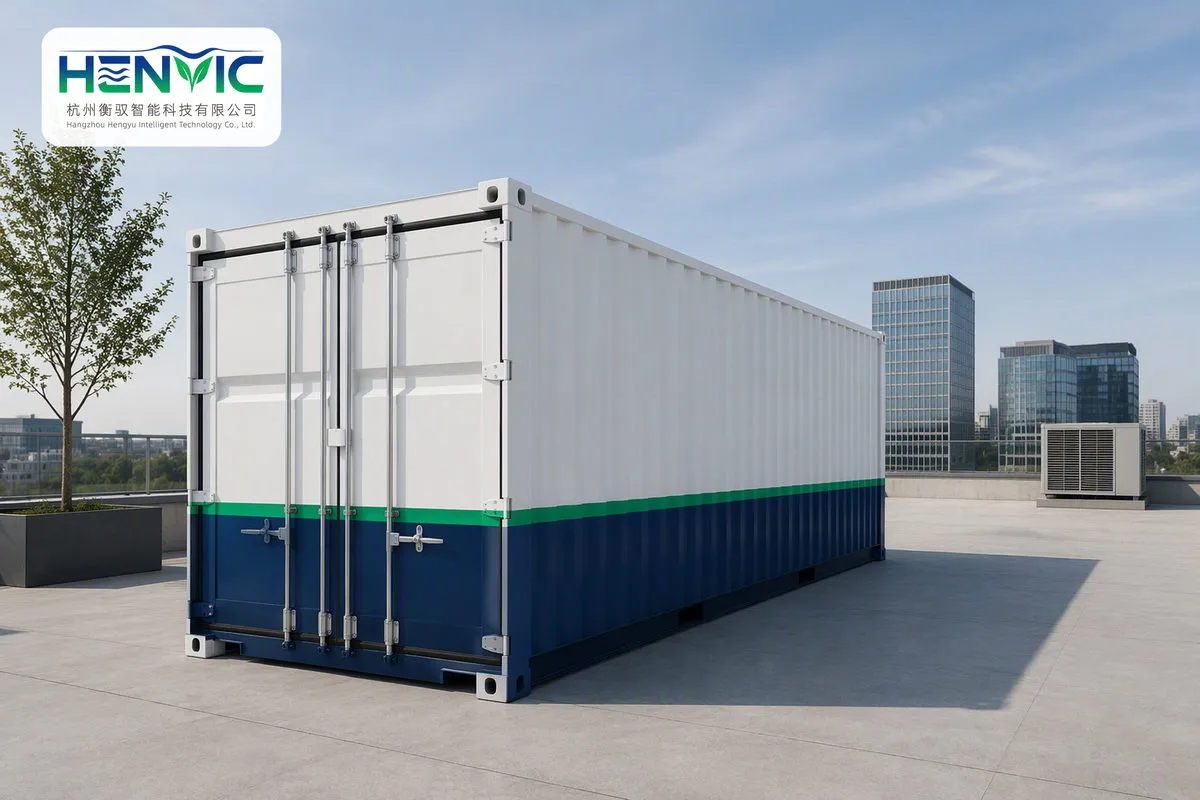
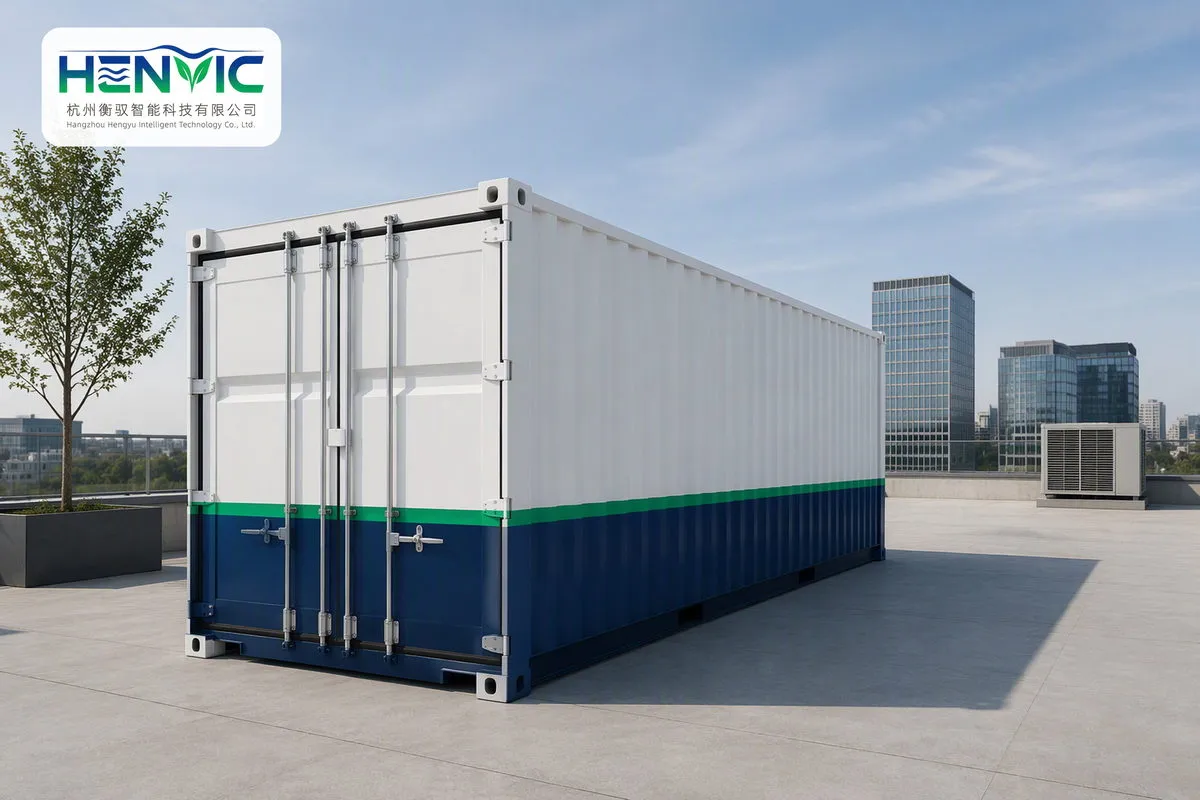
One of the most impactful applications of lettuce containers is their utilization in urban centers. By placing these containers in basements, on rooftops, or even within repurposed factories, lettuce can be produced right where it is consumed. This drastically shortens the supply chain, ensuring that the product reaches restaurants and supermarkets within hours of harvest, while completely eliminating long-distance transportation and the associated carbon emissions.
Independence from Climate and Geography
Traditional lettuce farming is strictly dependent on weather conditions and seasonal cycles, leading to price volatility and regional supply shortages. Containers remove these constraints entirely, allowing for consistent, all-weather, year-round production regardless of external climates—whether in arid deserts or frigid tundras.
IV. Industry Challenges and Future Prospects
While lettuce cultivation containers represent a massive leap forward, the industry still faces specific challenges that are driving ongoing technological innovation:
High Energy Consumption: The constant operation of LED lighting, HVAC, and water pumps requires substantial electricity. The future direction of the industry involves integrating solar photovoltaics and developing more energy-efficient chilling systems to minimize operational costs.
Automation and AI Integration: The next generation of lettuce containers is focusing on artificial intelligence. Machine learning algorithms are being implemented to predict plant growth trajectories, detect early signs of nutrient deficiencies, and manage environmental parameters with proactive precision rather than reactive adjustments.
Automated Harvesting: To fully realize the labor-saving potential, the industry is shifting toward automated robotic harvesters and transplanters, further pushing the cultivation process toward zero-human-intervention.
Conclusion
Lettuce cultivation containers stand at the forefront of the modern agricultural revolution. By fusing precision environmental control, soilless cultivation techniques, and intelligent automation, they have successfully decoupled primary food production from the constraints of land, climate, and seasons. As these containerized systems continue to advance through ongoing technological integration, they will undoubtedly become a critical pillar in ensuring global food security and offering sustainable, high-quality nutrition for future generations.