Abstract
As people's demand for fresh, safe, and high-quality leafy vegetables continues to rise, traditional soil-based planting模式 is increasingly challenged by problems such as limited arable land, environmental pollution, and unstable yields. Leafy vegetable cultivation container technology has emerged as a modern smart agriculture solution that integrates technical knowledge from agricultural engineering, automated control, and plant physiology. Through precise regulation of the internal environment of the container, it provides optimal growing conditions for leafy vegetables, realizes high-yield, high-quality, and pollution-free cultivation, and has broad application prospects in urban agriculture, organic planting, and emergency supply. This paper systematically introduces the development background, structural system, working principles, application scenarios, technical advantages, and future development directions of leafy vegetable cultivation container technology.
I. Introduction
Leafy vegetables, including lettuce, spinach, garland chrysanthemum, water spinach, and kale, are an essential part of daily dietary structure, rich in vitamins, dietary fiber, and trace elements, with high nutritional value. However, along with accelerated urbanization, shrinking arable land, and frequent extreme weather, the traditional leafy vegetable planting mode is facing multiple dilemmas: soil degradation, pesticide and fertilizer overuse, serious environmental pollution, long supply chains, and uneven quality. To solve these problems, a leafy vegetable cultivation container has become a new path for green agricultural transformation by breaking spatial constraints, taking the lead in realizing a controllable growing environment, and improving planting efficiency.
II. Core Concept and Structural Composition of Leafy Vegetable Cultivation Containers
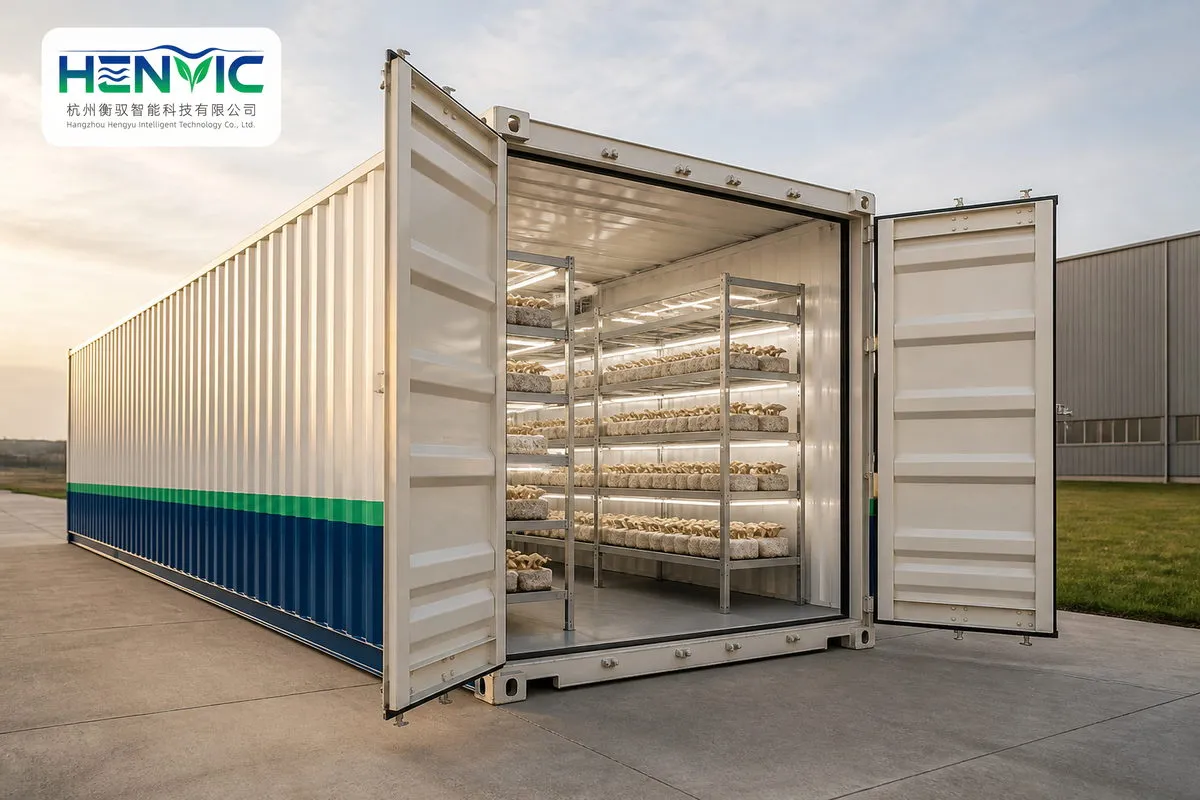
Leafy vegetable cultivation containers are integrated equipment for independent planting. Through modular design and system integration, they provide an optimal environment for the growth of leafy vegetables. The whole structure takes the container as the carrier and combines agricultural machinery, information technology, and plant protection techniques.
2.1 Core Concept
The core concept is to transform the complex growing process of leafy vegetables into an controllable process within a closed container space. By precisely regulating the parameters of the internal environment, including temperature, humidity, light, water, nutrients, and gas composition, the optimal growth requirements of leafy vegetables at different stages are satisfied. This mode abandons the dependence on natural soil and climate to a large extent; realizes standardized, low-carbon, and renewable plant production; and greatly improves the stability and efficiency of planting.
2.2 Main Structural Components
A complete leafy vegetable cultivation container is composed of a body structure, environmental regulation system, cultivation system, control system, and auxiliary system. They jointly ensure the stability of growing conditions and smooth implementation of planting operations.
Container Body Structure
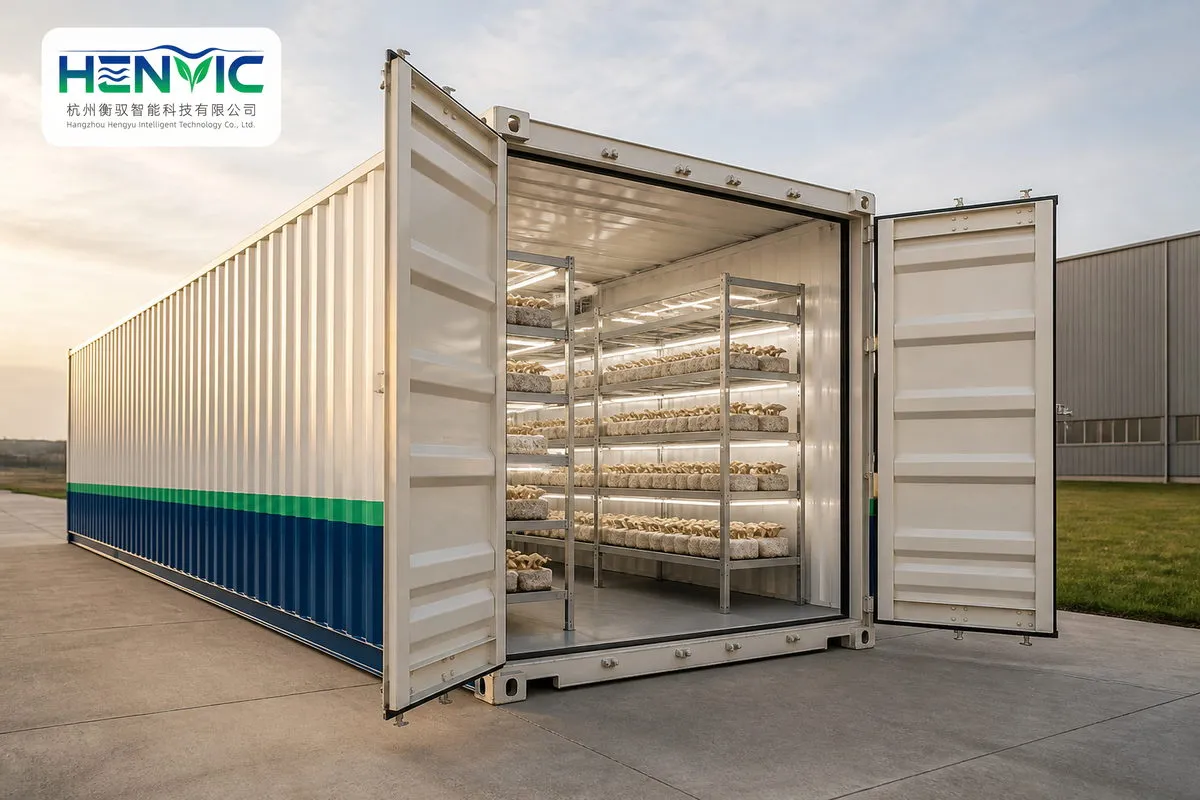
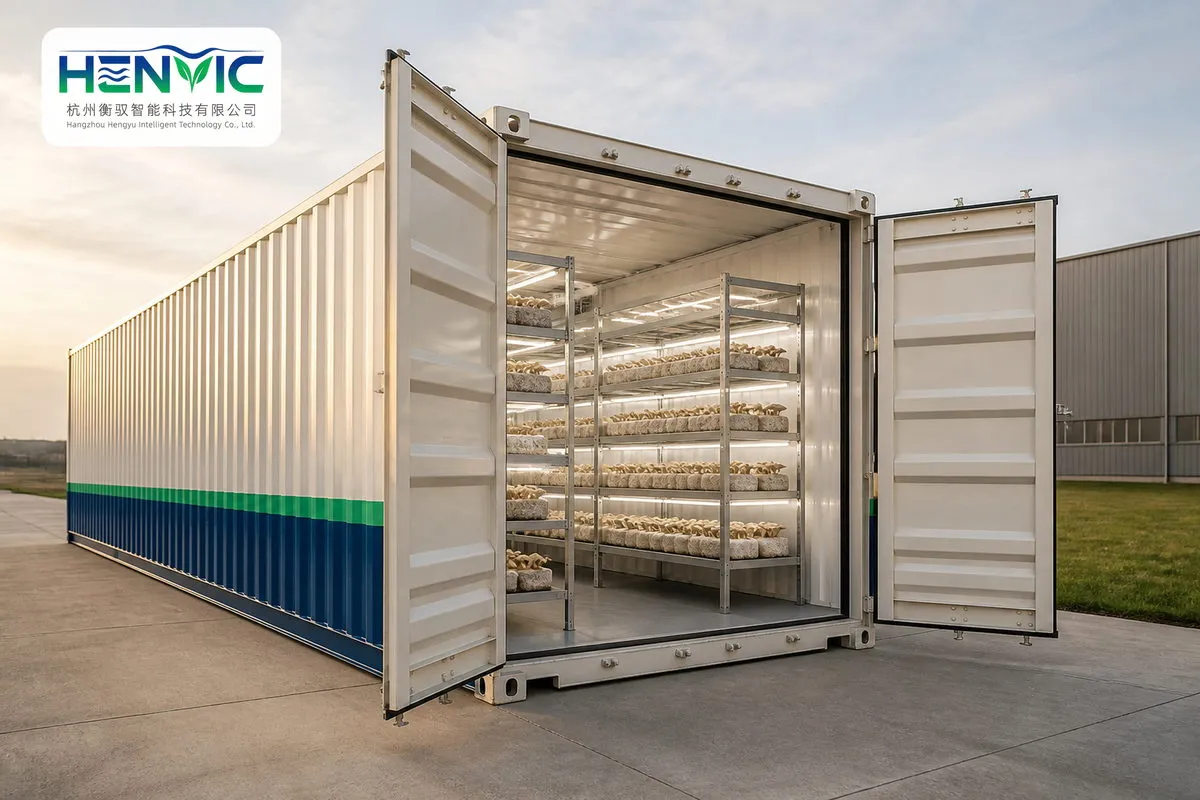
The container body adopts high-quality stainless steel or composite thermal insulation panels. It features excellent sealing, corrosion resistance, and weatherability, which can effectively isolate external interference and prevent the loss of internal environment energy, laying a foundation for precise regulation. The interior is smooth and easy to clean and sterilize, and equipped with structured shelves for space utilization.Environmental Regulation System
As the core functional system of the container, it includes multiple modules:
a) Temperature Control System: Consisting of a cooling/heating device and air circulation unit, it can maintain a suitable temperature in summer and winter to meet the temperature needs of leafy vegetable growth (generally 15℃–25℃).
b) Humidity Control System: Realizes automatic spraying or dehumidification by setting sensors and water spraying devices to keep the relative humidity in the 80%–90% range required for leafy vegetable growth.
c) Light Control System: Composed of LED plant growth lamps with a spectrum suitable for photosynthesis. It can provide targeted supplementary lighting in the lack of natural light, shorten the growth cycle, and improve quality.
d) Ventilation and Air Exchange System: Ensures air circulation and takes away excess humidity, supplementing carbon dioxide required for photosynthesis.
e) Sterilization System: Ultraviolet light, ozone generators, or other sterilization equipment are used to eliminate bacteria, viruses, and pests, and reduce the risk of disease in leafy vegetables.Cultivation System
a) Seedling and Planting Units: In some containers, there are seedling cultivation trays and planting racks. It adopts transplanting or direct sowing to ensure orderly planting.
b) Nutrient Circulation System: For hydroponic containers, it is equipped with nutrient solution tanks, circulating pumps, and filter devices, realizing the circulation and reuse of water and nutrients, reducing water consumption, and eliminating environmental pollution.Intelligent Control System
The system is the brain of the container. It collects and feeds back real-time data on temperature, humidity, light intensity, and nutrient solution parameters through sensors. On this basis, it automatically controls the operating state of each functional unit. It can also realize data storage, remote viewing, and fault alarms through mobile devices or computers, reducing manual intervention and the impact of human errors.Auxiliary System
It includes water supply, drainage, power distribution, and lighting systems, which support safe, stable, and convenient operation of the whole equipment.
III. Operational Principles and Cultivation Process
The working principle of the leafy vegetable cultivation container is to simulate and optimize natural growing conditions. It forms a process closed loop from substrate (or hydroponic) preparation, seedling, growth management, harvest to re-planting. Every stage is strictly controlled by the container control system to ensure product quality and output.
3.1 Selection of Cultivation Mode
Depending on the shape of the container, two modes are commonly used: soil-based cultivation within the container (with potting soil or organic substrate) and containerized hydroponic cultivation. The soil-based mode is flexible and adaptable; the hydroponic mode integrates advanced nutritional management techniques, making it more efficient and cleaner. It is particularly suitable for short-cycle leafy vegetables.
3.2 Seed Selection and Seedling
High-quality seeds of leafy vegetables are selected. In a small unit inside the container or in the external seedling area, under temperature, humidity, light, and other conditions, the seeds are germinated and seedlings are cultured to the two-true-leaf stage. The seedlings are then transplanted into the cultivation rack inside the container.
3.3 Growth Stage Management
After transplanting, the container enters growth management. According to the characteristics of each type of leafy vegetable, the environmental parameters are adjusted. If growing lettuce, the temperature is kept between 15℃ and 25℃, oxygen is well ventilated, and moisture is sufficient. In the container, precise irrigation and ventilation reduce the possibility of rica diseases and pests.
3.4 Harvest and Re-cultivation
Leafy vegetables such as lettuce and spinach can be harvested quickly as the mature leaves are cut or uprooted. After each yield, the cultivation system is cleaned immediately to remove residues and ensure that the environment remains clean; then subsequent planting can be carried out, significantly improving the turnover rate.
IV. Technical Advantages
Compared with traditional leafy vegetable cultivation, the container cultivation technology abandons many inherent drawbacks. It achieves many advantages with significant economic and ecological value.
4.1 Breaking the Limitations of Natural Conditions
The container is independent and sealed. The internal environment can be precisely regulated. It is no longer limited by seasons, climate, climate zones, or topography, achieving "factory-like" continuous planting. It can be built anytime and anywhere and expands the planting space. It is also especially suitable for places where field planting is limited.
4.2 Significantly Reducing the Use of Chemical Fertilizers and Surface Water
In hydroponic cultivation containers, nutrient solutions are circulated and reused. This avoids soil salinization and nutrient loss, greatly reducing water consumption. In addition, the closed environment and precise fertilization reduce the use of pesticides and fertilizers. Thus, the products are safer and greener.
4.3 Mass Production and Quality Stability
It realizes vertical multi-layer cultivation and high-density planting. Therefore, unit area output is increased. At the same time, the environment is stable, with consistent quality, good shape, and high economic value. It is particularly suitable for large-scale, standardized agricultural production.
4.4 Energy Efficient and Environmentally Friendly Operation
The container equipment is designed with high performance. By optimizing thermal insulation and the use of low-energy equipment, it realizes efficient operation and reduces the impact of discharge and waste. The closed mode and integrated processes greatly reduce energy consumption and environmental pollution.
4.5 Flexible Deployment and Easy Automatic Control
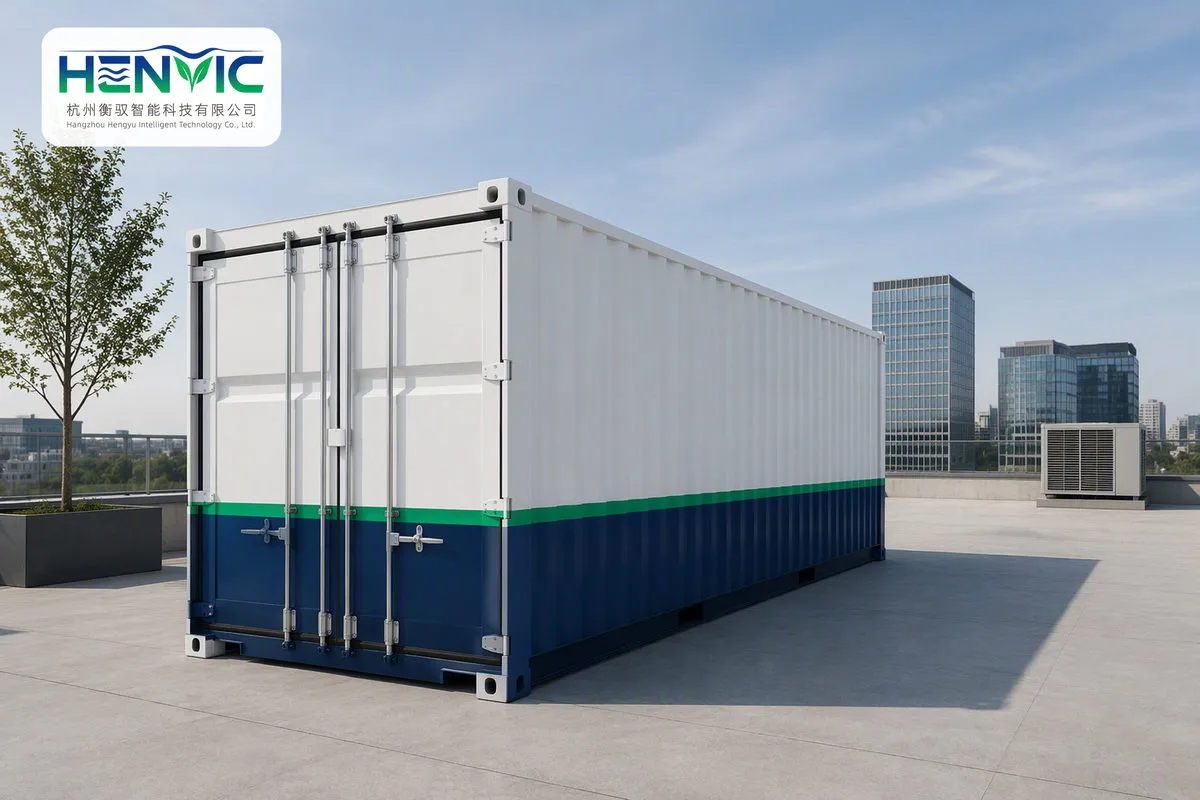
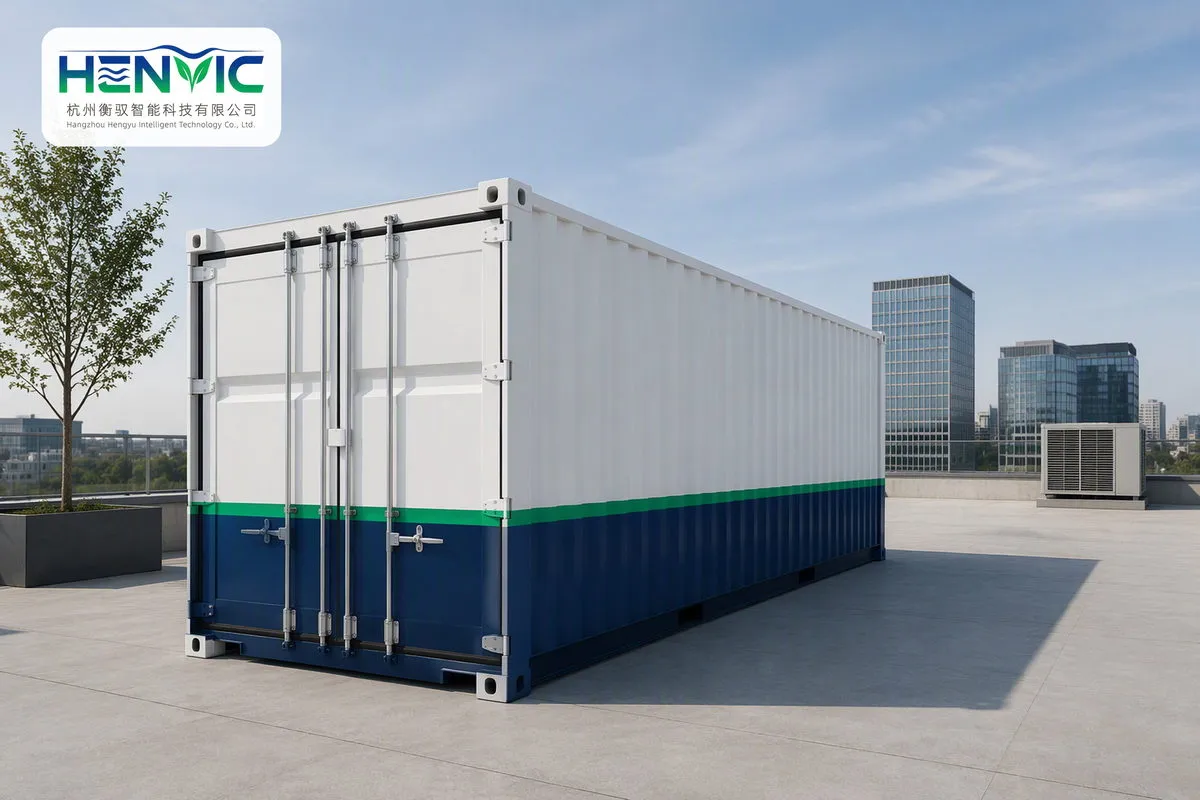
The container unit can be placed on rooftops, vacant lots, and factory buildings. It is flexible to move and install, with low requirements for topographic conditions. It integrates with intelligent management systems and only requires one or few operators. It realizes the manual-free and smart operation of planting.
V. Main Application Scenarios
Leafy vegetable cultivation containers have extremely wide adaptation, and the technology is gradually being applied in several key scenarios:
5.1 Urban Agriculture and Rooftop Farming
In the city, it is often difficult to find large areas of cultivated land. By using the containers on the rooftops of buildings or in communities, vegetable production is carried out. It combines urbanization and food security and shortens transportation time to quickly supply fresh vegetables to residents' tables.
5.2 Emergency Supply and Scientific Research
The equipment can provide stable fresh vegetable supply in extreme environments such as field operations and remote stations. It adapts to harsh climate conditions or regions, realizes self-support and is adapted to advanced agricultural experimentation and fundamental research in controlled environments.
5.3 Organic Agricultural Production
With independent regulation of pests, diseases, and soil pollution, organic green vegetable production can be realized by biological control and physical prevention without the use of pesticides and chemical fertilizers. Products meet organic standards and have high value.
5.4 Agricultural Tourism and Eye-catching Demonstration
Combining container vegetable planting with agriculture or environmental education can bring visitors closer to the ecological concept and agricultural knowledge, promote understanding of modern agriculture and profitability.
VI. Prospects and Challenges
Though there are many advantages, leafy vegetable container cultivation faces some challenges, including initial cost, operating costs, and high technical requirements. However, along with the development of photovoltaic storage technology and the reduction of intelligent system costs, container vegetable cultivation is expected to become one of the important components of urban micro-agriculture.
In the future, the upgrade of containers will focus on the following aspects: The container will integrate solar energy, hydrogen energy and other clean energy, further reducing operating costs; AI will be deeply integrated with the environment control and data analysis in the overall process, realizing automatic cultivation decisions; and launching more environmental-friendly and simple configurations suitable for small farms will better promote large-scale application.
VII. Conclusion
Leafy vegetable cultivation container technology is a modern, low-carbon agricultural tool with important strategic meaning. Through container integration and precise environmental adjustment, it realizes efficient, safe, and trustworthy production. Facing future urbanization, food security, and green transformation, container technology is sure to play a stronger role, providing continuous momentum for the high-quality development of leafy vegetables.