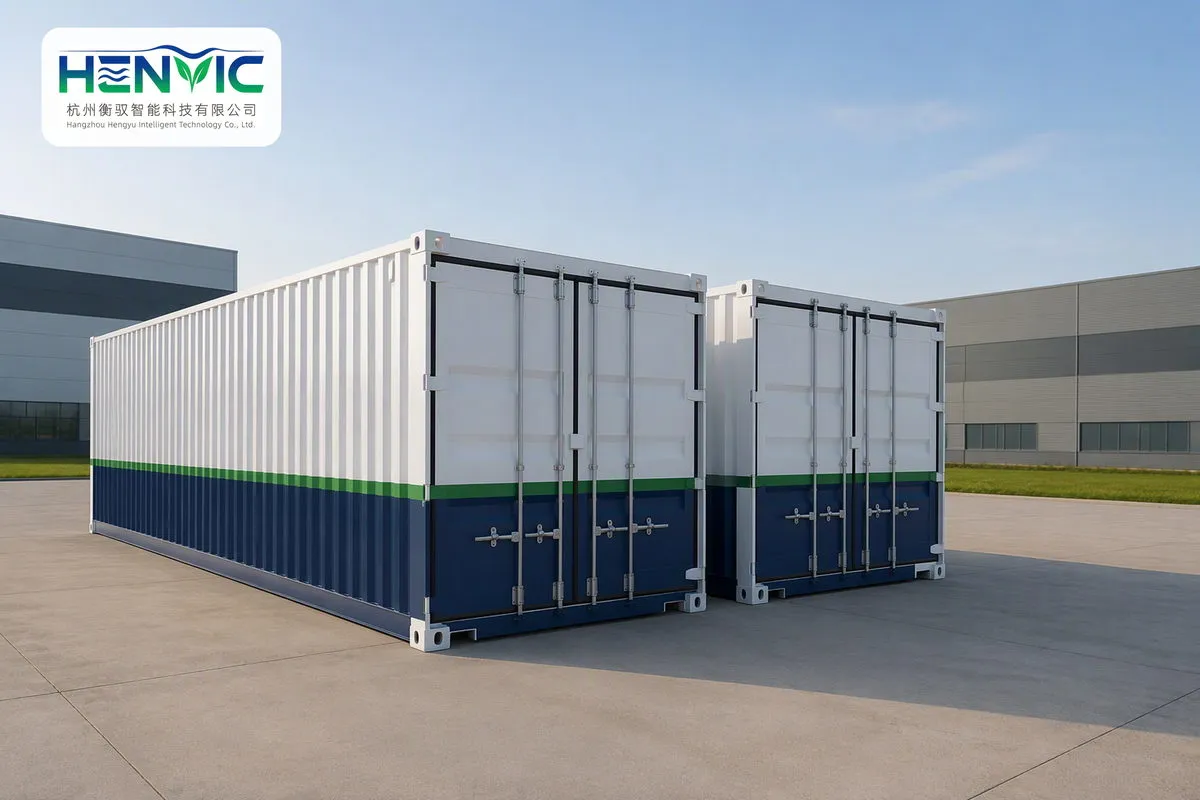
Shiitake mushrooms (Lentinula edodes) have long been revered for their rich flavor, umami profile, and remarkable nutritional and medicinal properties. From gourmet cuisine to functional health foods, the global demand for high-quality shiitake has surged in recent years. However, traditional shiitake cultivation faces significant challenges—vulnerability to weather fluctuations, pest infestations, seasonal limitations, and low space efficiency. Containerized shiitake cultivation technology has emerged as a cutting-edge solution, merging precision engineering with mycological science to transform mushroom farming into a scalable, sustainable, and high-yield enterprise. This article explores the core principles, technological innovations, and far-reaching benefits of this revolutionary approach.
1. The Evolution of Shiitake Cultivation: From Tradition to Innovation
For centuries, shiitake mushrooms were cultivated on natural logs in forest environments, relying on seasonal cycles and natural climate conditions. While this method preserves the mushroom’s wild flavor and ecological heritage, it is inherently slow, unpredictable, and limited by geography and season. Modern commercial cultivation shifted to indoor facilities, but these often require large facilities and costly infrastructures. Containerized systems bridge the gap between traditional craftsmanship and modern efficiency, offering a controlled, modular environment that can be deployed anywhere—from urban warehouses to rural farms.
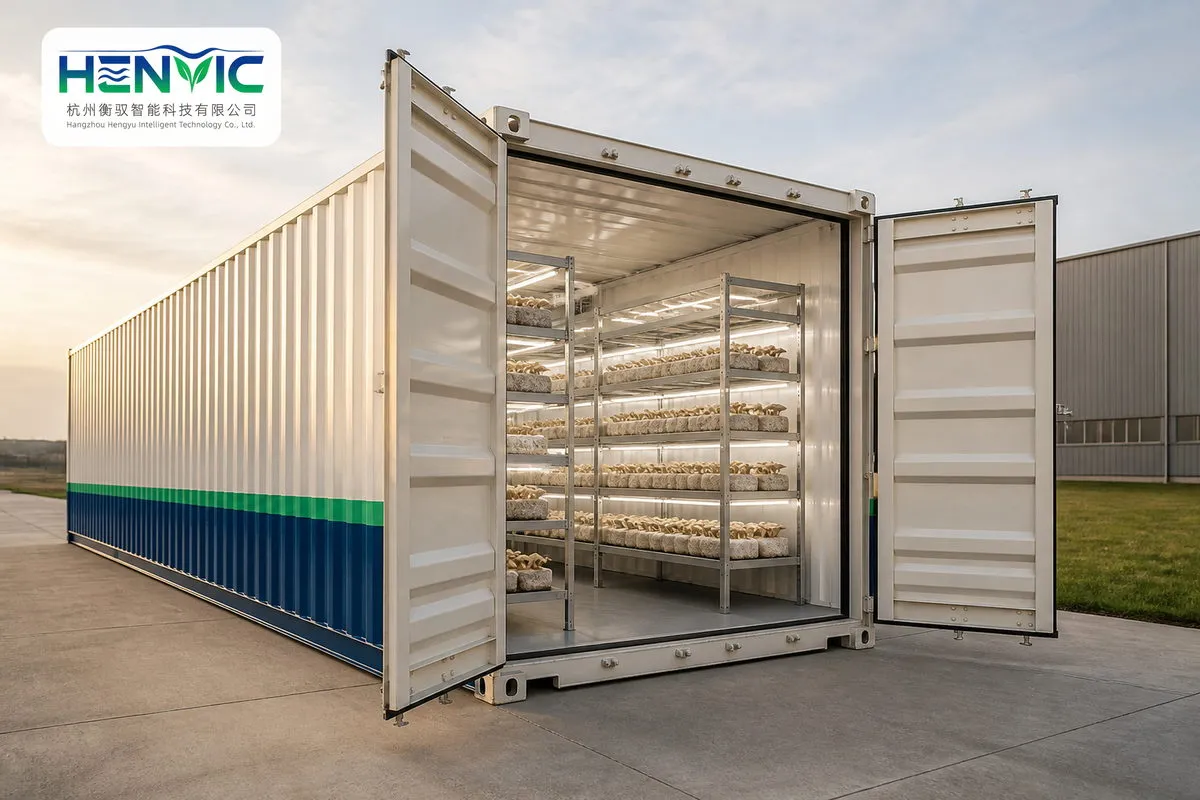
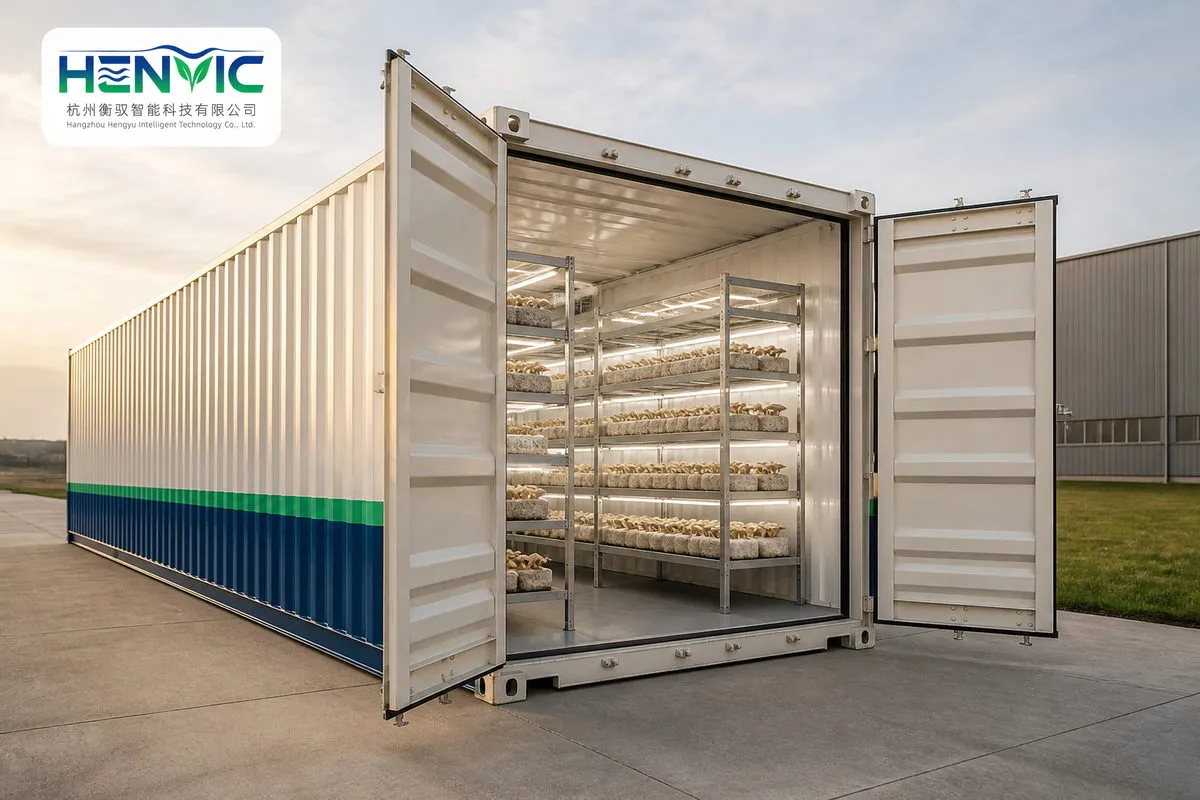
The core philosophy of containerized shiitake cultivation is to replicate and enhance the optimal natural growing conditions within a compact, insulated container. By meticulously controlling temperature, humidity, light, air quality, and nutrient availability, growers can accelerate mycelium growth, boost fruiting rates, and ensure consistent, premium-quality harvests year-round, independent of external climate.
2. Core Components of the Containerized Shiitake Cultivation System
A state-of-the-art shiitake cultivation container is an integrated microclimate system, designed to cater to the biological needs of Lentinula edodes throughout its lifecycle. Key components include:
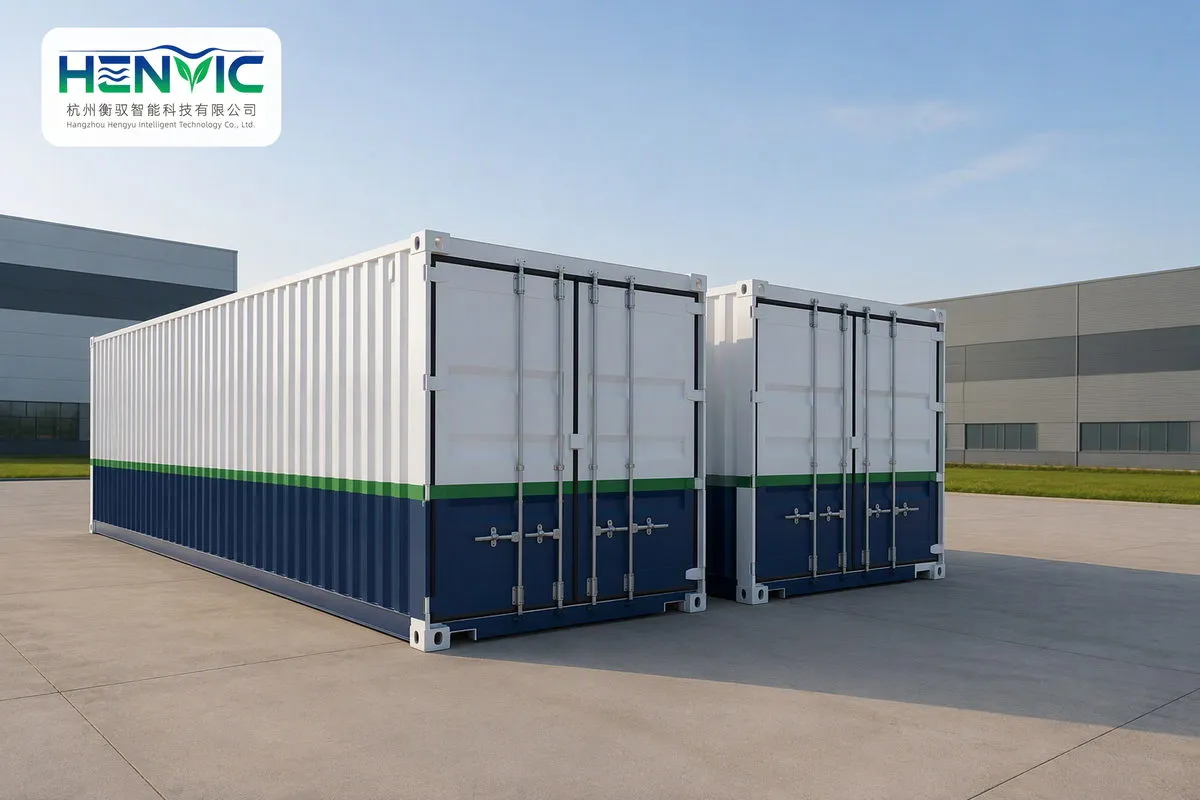
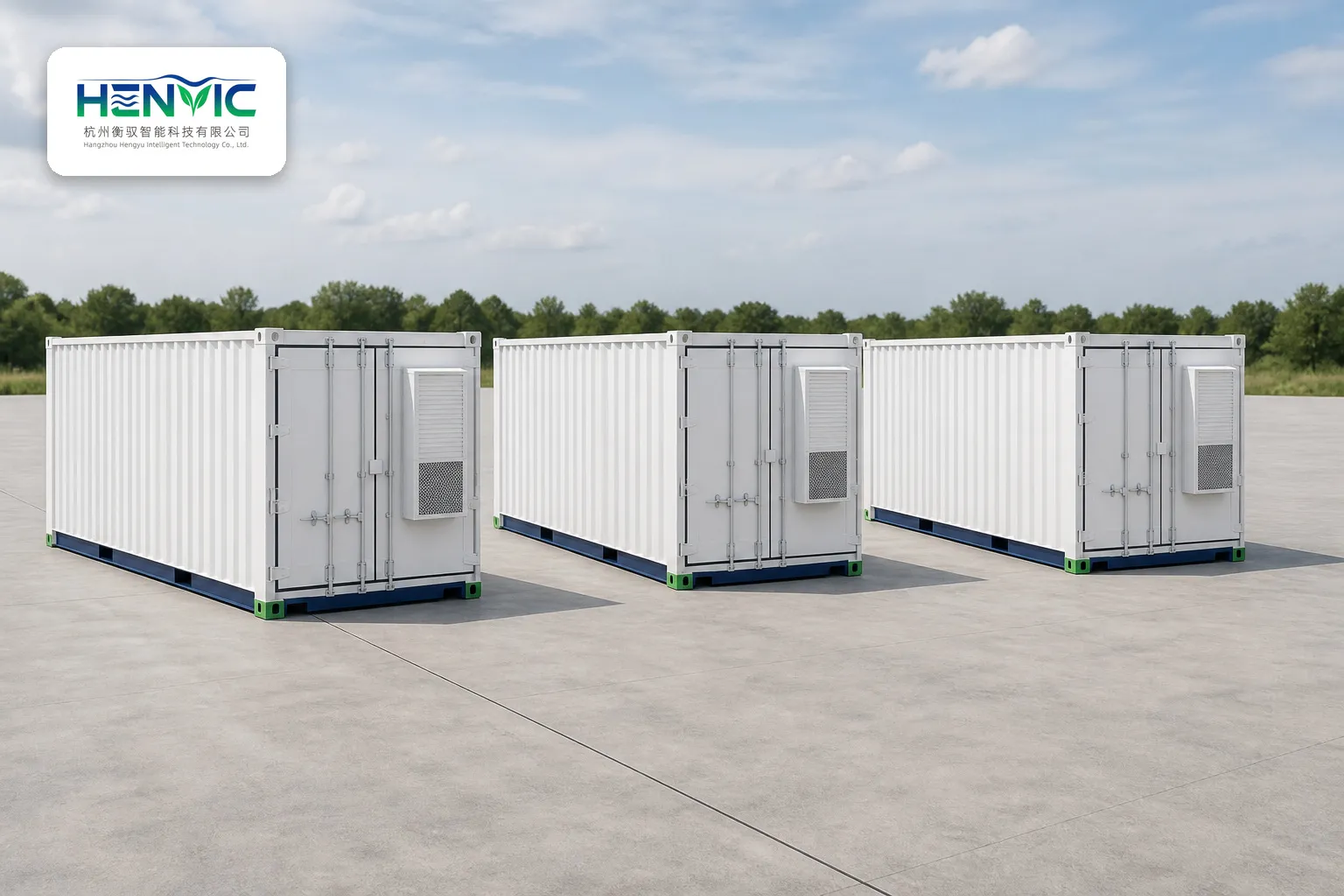
• Insulated, Durable Container Shell: Built from food-grade, thermally insulated materials, the shell maintains stable internal conditions while shielding against external temperature swings, rain, and contaminants. Its modular design allows for easy stacking, relocation, and scaling—ideal for both small-scale farms and industrial operations.
• Smart Environmental Control System: The heart of the system. Sensors continuously monitor temperature, humidity, CO₂ levels, and light intensity, while automated actuators adjust conditions in real time. For shiitake, optimal mycelium growth requires stable temperatures between 22–25°C and high humidity (80–85%), while fruiting stages demand cooler temperatures (15–20°C), increased airflow, and indirect light stimulation. The system eliminates manual guesswork, ensuring perfect conditions at every stage.
• Substrate and Spawn Technology: Shiitake thrives on lignocellulosic substrates, such as sawdust, wood chips, and agricultural waste (e.g., corncob, wheat straw). Containerized systems utilize sterilized, nutrient-enriched substrate in sealed bags or trays, minimizing contamination risks. High-quality mycelium spawn is carefully inoculated into the substrate, with the container’s environment spurring rapid, uniform colonization by the mycelium.
• Efficient Hydration and Nutrient Delivery: Ultra-fine misting nozzles deliver precise amounts of water and nutrient solutions, maintaining consistent moisture without oversaturating the substrate. This conserves water and prevents waterlogging, a common cause of rot and mold in mushroom cultivation. Automated irrigation schedules are tailored to the mushroom’s growth phase, further optimizing resource use.
• Air Quality Management: Shiitake requires frequent fresh air exchanges to prevent CO₂ buildup, which can lead to elongated stems and underdeveloped caps. The container’s ventilation system uses HEPA filters to remove airborne contaminants while regulating airflow rates, ensuring clean air that promotes healthy fruiting body development.
3. The Cultivation Process: Step-by-Step Efficiency
Containerized shiitake cultivation follows a streamlined, predictable workflow, significantly shortening the growth cycle compared to traditional methods:
1. Substrate Preparation and Sterilization: A dehydrated substrate mixture (typically hardwood sawdust supplemented with bran, sugar, and mineral additives) is blended, packed into cultivation bags/containers, and sterilized in a pressure cooker or autoclave to eliminate competing microorganisms.
2. Inoculation: Under sterile conditions, shiitake spawn is mixed with the cooled substrate. The inoculated containers are then placed into the cultivation container, where stable conditions encourage mycelium to spread rapidly, colonizing the entire substrate in 2–3 weeks.
3. Incubation: The container maintains dark, humid conditions (22–25°C, 80–85% humidity) to prioritize mycelium growth. During this phase, the system minimizes disturbances and maintains sterility, ensuring a robust mycelial network forms.
4. Primordia Formation (Pinning): Once the substrate is fully colonized, the container’s environment is adjusted: temperatures are reduced to 18–20°C, indirect light is introduced for 12–14 hours daily, and ventilation is increased to trigger primordia (mushroom pins) formation. This phase typically takes 1–2 weeks, with uniform pinning across all substrate units.
5. Fruiting and Harvest: As mushrooms mature, the container maintains stable conditions to support multiple flushes. Harvesting occurs when caps fully expand but edges remain slightly curled, ensuring peak flavor and texture. Each substrate unit can yield 3–5 flushes over 2–3 months, with consistent quality and yield per cycle.
4. Unparalleled Benefits of Containerized Shiitake Cultivation
This technology addresses the biggest pain points of traditional shiitake farming, delivering transformative advantages:
• Year-Round Uninterrupted Production: The container’s controlled environment eliminates seasonal dependencies, enabling continuous harvests regardless of external weather or geographic location. This stabilizes supply for markets and reduces price volatility.
• Superior Quality and Yield: Pinpoint environmental control promotes uniform mushroom size, firm caps, and enhanced umami content. Yields are 2–3 times higher than open-field log cultivation, with minimal crop waste.
• Resource Efficiency and Sustainability: By using agricultural waste as substrate and recycling water within the system, the technology aligns with circular agriculture principles. Water usage is reduced by 60–70%, and the closed system prevents pesticide runoff, protecting surrounding ecosystems.
• Risk Mitigation: The sealed container eliminates exposure to pests (e.g., mushroom flies, mites), diseases, and extreme weather, drastically reducing crop failure rates. Growers can operate with confidence, free from unpredictable environmental threats.
• Modularity and Scalable Growth: Containers can be stacked vertically or arranged in clusters, maximizing space utilization—ideal for urban and peri-urban settings with limited land. Farmers can start small with a single container and scale up as demand grows, without costly infrastructure investments.
5. Challenges and Future Innovations
While containerized technology has revolutionized shiitake cultivation, ongoing advancements address remaining hurdles:
• Energy Costs: Maintaining optimal conditions requires energy, particularly for cooling and lighting. Future systems will integrate solar panels, energy storage, and AI-powered efficiency optimization to reduce reliance on grid power.
• Automation and AI Integration: Next-generation containers will leverage machine learning to analyze cultivation data, predict growth patterns, and auto-adjust conditions, further reducing labor requirements and improving yields.
• Sustainable Substrates: Research into novel, low-cost substrates (e.g., algae, food waste) will lower production costs and enhance sustainability.
Conclusion
Containerized shiitake mushroom cultivation represents a paradigm shift in specialty mushroom farming, where ancient mycological wisdom meets modern engineering precision. It empowers growers—from smallholder farmers to large enterprises—to produce high-quality shiitake consistently, sustainably, and profitably, regardless of location or season. As technology continues to evolve, this innovation will play a pivotal role in meeting the growing global demand for nutrient-rich, eco-friendly foods, paving the way for a more resilient and self-sufficient food system. For cultivators, it is not just a technology, but a gateway to a new era of mushroom farming excellence.