1. Introduction
Water spinach, scientifically known as Ipomoea aquatica, is a fast-growing, nutrient-dense leafy vegetable valued for its taste and high content of vitamins, minerals, and dietary fiber. As demand for safe, fresh, and local vegetables grows, container-based cultivation technology has emerged as a sustainable and efficient solution, particularly in urban areas where land is limited and environmental control is essential. This article details the principles, design features, and operational advantages of growing water spinach in containers, making it accessible to farmers and hobbyists alike.
2. Botanical Features and Growth Habits of Water Spinach
Water spinach is an evergreen, perennial tropical and subtropical plant that thrives in warm, humid conditions. Its stems are long, branching, and often hollow, allowing it to float or climb. The leaves are broad, heart-shaped, and alternately arranged, with a smooth and glossy texture. The plant reproduces easily from seeds, stem cuttings, or root divisions, making it highly adaptable for container cultivation. It tolerates a wide range of soils but performs best in slightly acidic, well-draining substrates with consistent moisture.
3. Characteristics and Advantages of Container Cultivation
Container cultivation involves growing water spinach in large pots, bins, or portable planters. This method offers several advantages over traditional field cultivation:
- Space efficiency: Ideal for rooftops, balconies, courtyards, or smallholder farms, maximizing space and enabling vertical growth.
- Environmental control: Containers allow precise regulation of soil validity, irrigation, and nutrient intake, reducing water waste and runoff.
- Pest and disease management: The controlled environment minimizes exposure to soil-borne diseases and pests, lowering reliance on pesticides.
- Mobility: Containers can be repositioned to optimize sunlight exposure or protect the crop from extreme weather events.
4. Container Design and System Setup
4.1 Container Selection
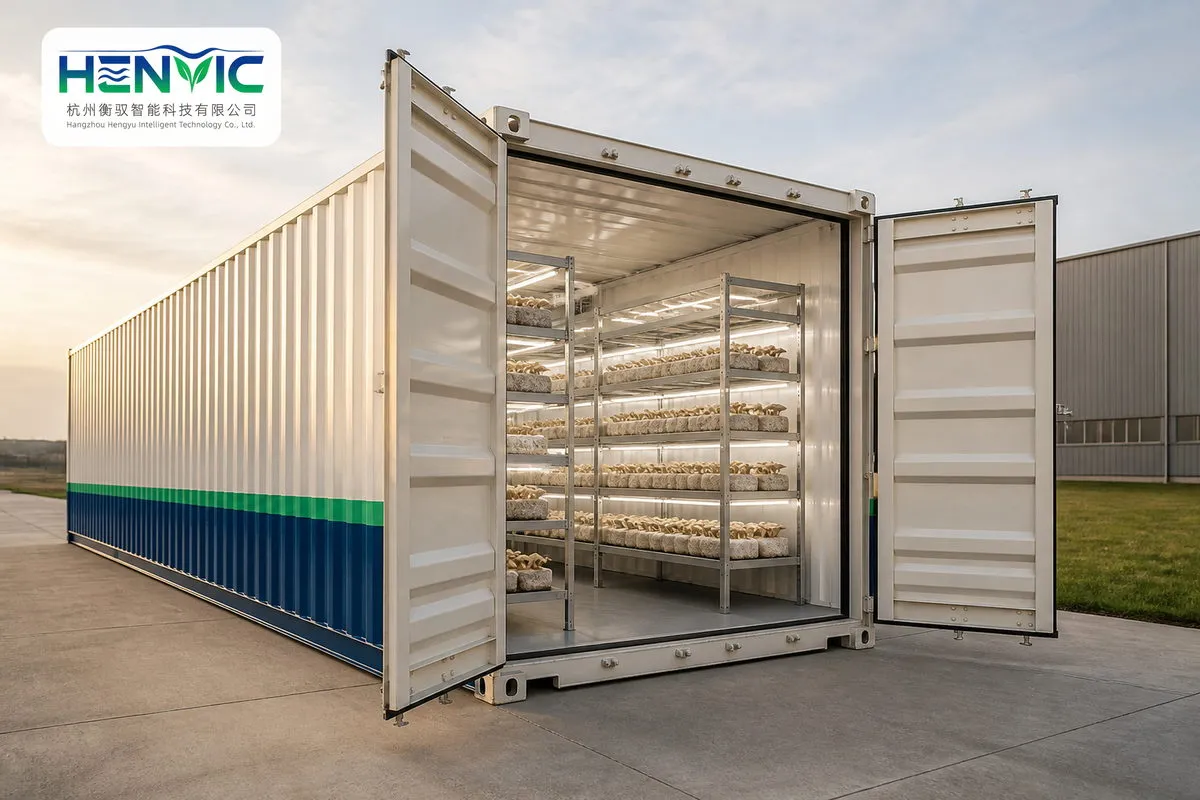
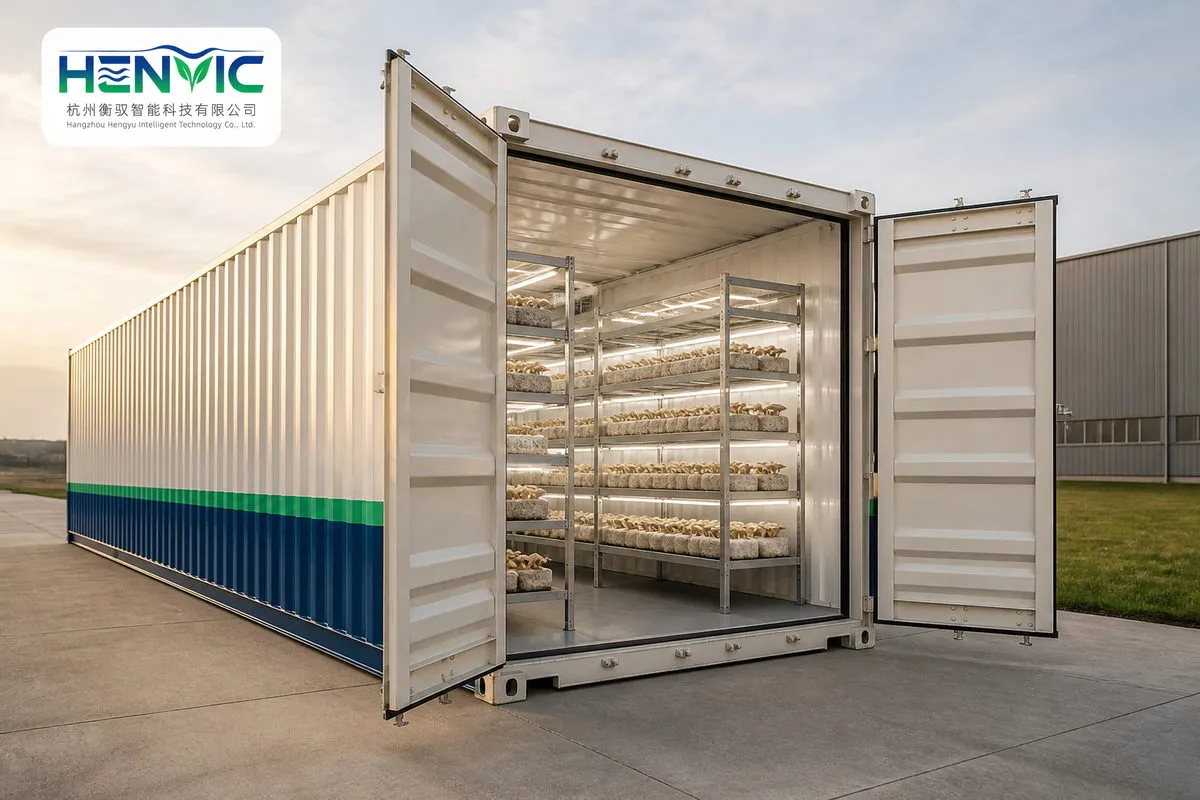
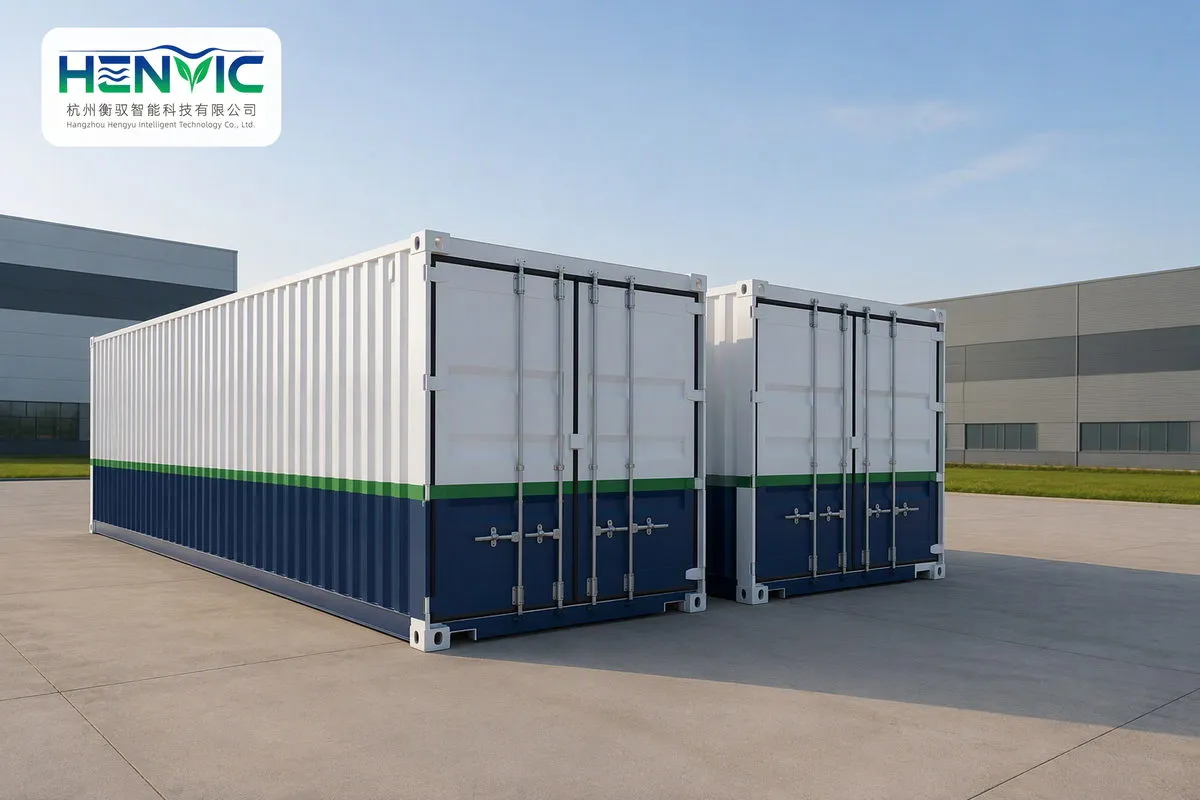
The key to successful container cultivation is selecting an appropriate container. For water spinach, containers should be at least 30–50 cm deep to accommodate its extensive root system and ensure adequate drainage. Options include food-grade plastic buckets, woven polypropylene grow bags, or custom-built wooden boxes. For commercial production, modular, stackable units are recommended to maximize space and facilitate automation.
4.2 Growing Medium
Water spinach grows best in a loose, fertile substrate. A recommended mix consists of:
- 50% well-decomposed compost or organic fertilizer: Provides nutrients and improves soil structure.
- 30% coconut coir or peat moss: Retains moisture and ensures good aeration.
- 20% perlite or vermiculite: Enhances drainage and prevents soil compaction.
This mix mimics the nutrient-rich, slightly acidic soil of its natural habitat while ensuring adequate oxygen for roots.
4.3 Environmental Control Systems
To optimize growth, modern container setups often integrate environmental control mechanisms:
- Temperature regulation: In cooler regions, heated trays or insulated covers maintain temperatures between 25°C and 35°C. In hot climates, shade nets or misting systems lower temperatures to prevent heat stress.
- Irrigation: Drip irrigation or automated sprinklers deliver water evenly, maintaining consistent soil moisture. Hydroponic systems are also viable, with containers filled with nutrient solution for soil-free cultivation.
- Lighting: In low-light environments, LED grow lights supplement natural sunlight to ensure photosynthesis and prevent leggy growth.
5. Cultivation Management Techniques
5.1 Planting
Water spinach can be propagated via seeds or stem cuttings:
- Seed sowing: Soak seeds for 12–24 hours to enhance germination, then sow 1–2 cm deep in the container. Germination occurs within 5–7 days.
- Cutting propagation: Select healthy, disease-free stems with 3–4 nodes, and plant them horizontally or vertically in the substrate. Cuttings establish quickly and can be harvested earlier.
5.2 Water and Fertilizer Management
Water spinach requires consistent moisture; overwatering or underwatering can stress the plants. Maintain soil moisture at 70–80% field capacity. Fertilization should be frequent but moderate: apply a high-nitrogen organic fertilizer (e.g., fish emulsion or compost tea) every two weeks, or use a balanced liquid fertilizer every 10 days. Avoid excessive nitrogen to prevent stem rot.
5.3 Pruning and Thinning
To promote bushier growth, pinch back the tips of stems when plants reach 15–20 cm tall. Thinning overcrowded containers ensures each plant has sufficient space to receive light and nutrients, improving overall yield.
5.4 Pest and Disease Control
Container cultivation reduces pest pressure, but common issues include aphids, leaf miners, and snails. Use physical barriers (e.g., netting) or biological controls (e.g., ladybugs) to protect the crop. For fungal diseases like white rot, ensure proper ventilation and avoid overwatering. If necessary, apply organic fungicides.
6. Harvest and Post-Harvest Handling
Water spinach reaches maturity in 25–30 days under ideal conditions. Harvesting should occur before flowering to maintain tenderness. Cut stems 5–10 cm above the base to encourage regrowth—water spinach can be harvested 2–3 times per growing cycle. After harvest, rinse the leaves gently and store in cool, moist conditions to preserve freshness.
7. Advantages of Container-Based Cultivation for Water Spinach
7.1 Environmental Sustainability
Container cultivation reduces soil degradation and chemical runoff. Recycling containers and using organic fertilizers further lower environmental impact, aligning with eco-friendly farming practices.
7.2 Economic Viability
The fast growth and high yield of water spinach in containers make it a profitable crop for small-scale farmers. Container cultivation also allows for year-round production, ensuring a steady income stream regardless of season.
7.3 Accessibility
This method democratizes agriculture: urban residents can grow water spinach on rooftops or patios, while rural farmers can expand production without extensive land preparation. The low entry barrier makes it ideal for beginners and educational programs.
8. Future Prospects
As urbanization accelerates, container cultivation will play a key role in food security. Advances in smart irrigation, IoT-based monitoring, and hydroponic systems will further enhance efficiency. Research into drought-tolerant water spinach varieties and container recycling models will strengthen sustainability.
9. Conclusion
Container-based cultivation of water spinach combines simplicity with high productivity, offering a practical solution for sustainable agriculture in constrained spaces. By mastering this technology, growers can enjoy a steady supply of fresh, nutritious vegetables while contributing to environmental conservation and economic resilience. This method not only redefines modern farming but also empowers communities to build self-sufficient food systems.